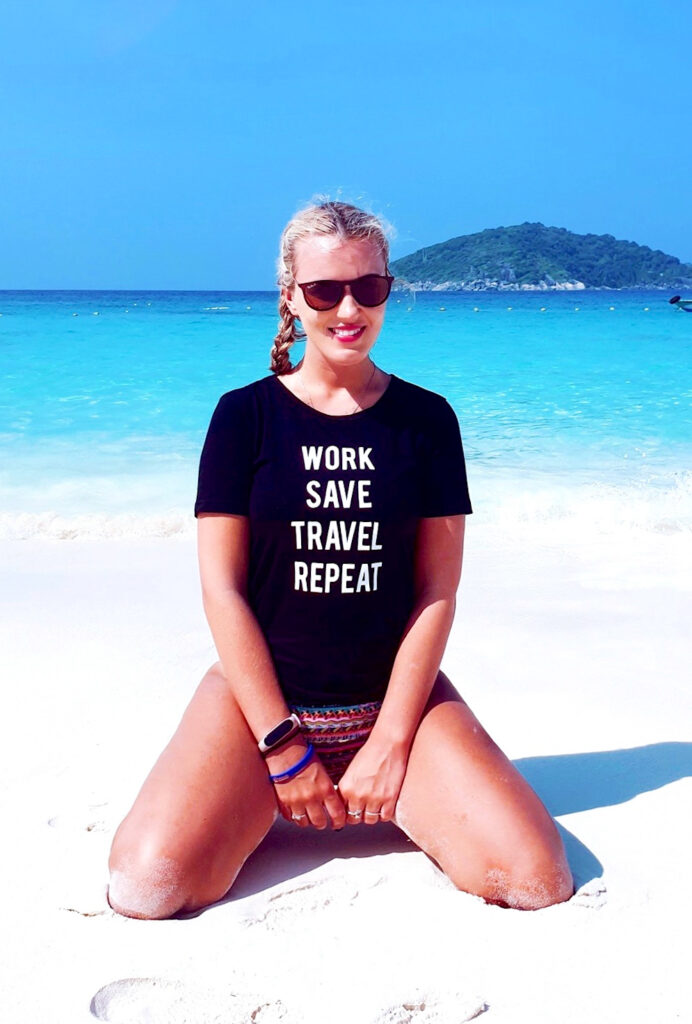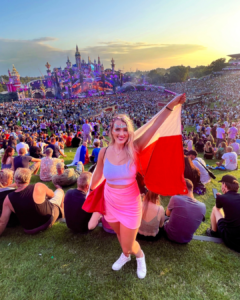

If your “office” is wherever your laptop happens to be that day, here are my top 5 Countries for Digital Nomads! I’ve been traveling full-time for over a year now, living the gloriously messy, WiFi dependent, street-food-fueled life of a digital nomad. Along the way, I’ve tried working from beaches, rooftops and more cafés than I can count and I’ve met hundreds of people doing the exact same thing.
This article is my personal ranking of the best countries to live and work remotely. It is 100% subjective, totally biased, and based on my own experiences combined with approximately 847 conversations that started with “so where are you from?” and ended at 4 AM with someone explaining their cryptocurrency startup over cheap beer. Classic nomad bonding. 😃
No sugarcoating. No generic travel-blog nonsense. Just the real deal from someone who’s actually been there, worked there and occasionally cried there (usually over slow WiFi or overpriced coffee).

Things You Need to Know About Me Before We Start
1. I choose apartments over hostels.
Not because I’m fancy, but because I value privacy and the ability to have a mental breakdown in peace. I want clean, modern, functioning but nothing luxurious. And ideally, no cockroaches the size of small dogs.😃
2. I’m childfree.
This means I give exactly zero fucks about school systems, playgrounds, or whether the local hospital has a good pediatric ward. If you’re traveling with kids, this guide will be useless to you. Sorry!
3. I travel solo.
Since it’s just me I pay full price for accommodation.
If you’re traveling with a partner or friend, congrats- you can split the rent and suddenly that “kinda pricey” apartment becomes “surprisingly affordable.” But since it’s just me, I evaluate places based on whether I can afford them alone.
4. I do not cook. At all.
Cooking and I have agreed to a lifelong separation.
My fridge’s only job is to store face masks and maybe a bottle of water if I’m feeling ambitious. I rely on street food the way some people rely on therapy.😃 So eating out must be cheap and delicious or I’m out!
My ranking criteria are simple:
- cost of living (can I afford rent and eat something other than instant noodles?)
- safety (will I die or just be mildly inconvenienced?)
- ease of communication (can I order food without accidentally agreeing to buy someone’s grandmother?)
- nightlife (because work-life balance without the life part is just called “work” and I left my office job for a reason).
Let’s dive in.
5. UAE (Dubai/Abu Dhabi)
“Where Your Bank Account Goes to Die, But Your LinkedIn Thrives”
Okay, before you close this tab: hear me out! I KNOW. Dubai for digital nomads sounds about as logical as “budget shopping at Gucci.” It’s not exactly the first place that comes to mind when you think of scrappy freelancers surviving on coffee and dreams. But here’s the thing: while it’s expensive to live here, it’s THE place to make money. The energy here is INSANE. Everyone’s hustling, networking, and somehow looking immaculate while doing it.
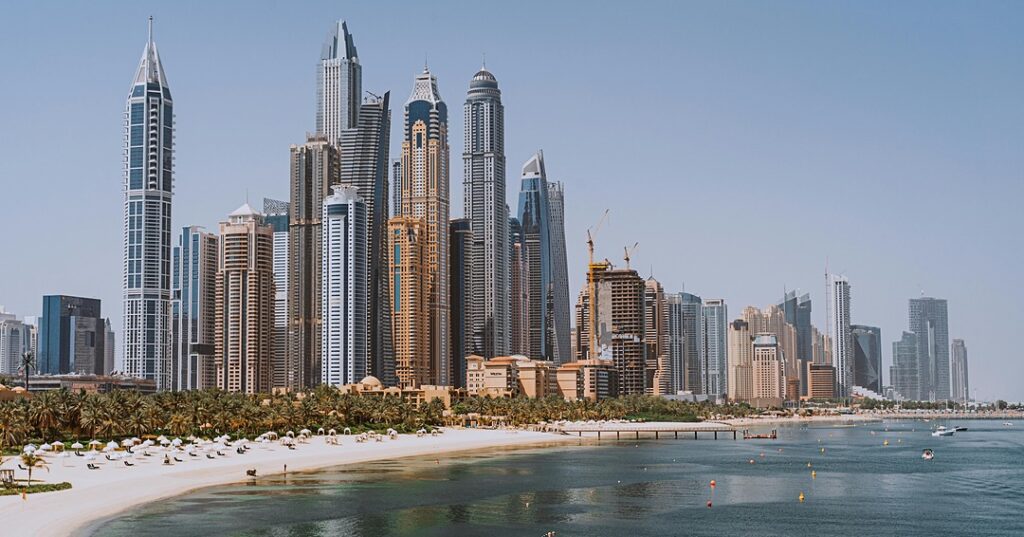
Cost of Living: High (Translation: Painfully High)
Let’s be real: Dubai is expensive. I stayed for 3 weeks in hostels because even I’m not crazy enough to rent an apartment for a short visit here. Hostels ran me €12-20 per night, which is actually reasonable until you realize that’s basically the only affordable thing you’ll find. Meals ran me €3-4 and these were shawarma from food courts, not fancy dinners.
For long-term stays, you’d obviously want to rent an apartment. From what I heard from people actually living there, you’re looking at anywhere from €1,000 to €2,500+ per month depending on location and whether you want to live somewhere Instagram-worthy or just, you know, survivable. The good news? Utilities are usually included and AC is crucial because summer here is like living inside a hairdryer.
But here’s the kicker: basically zero taxes. No income tax. Let that sink in. If you’re making good money remotely or picking up contracts, Dubai lets you keep almost all of it. For high earners, this city literally pays for itself. You just have to, you know, earn that high income first. Minor detail.
Safety: High
This is one of those rare places where walking alone at night as a woman doesn’t feel like participating in a true crime podcast. It’s surreal, honestly. The crime rate is so low it’s basically a statistical error.
The laws are strict though. Really strict. Which explains the safety but also means you need to actually research what’s legal before you go. “I didn’t know” doesn’t fly here. Also, if you’re LGBTQ+, this unfortunately isn’t a welcoming place.
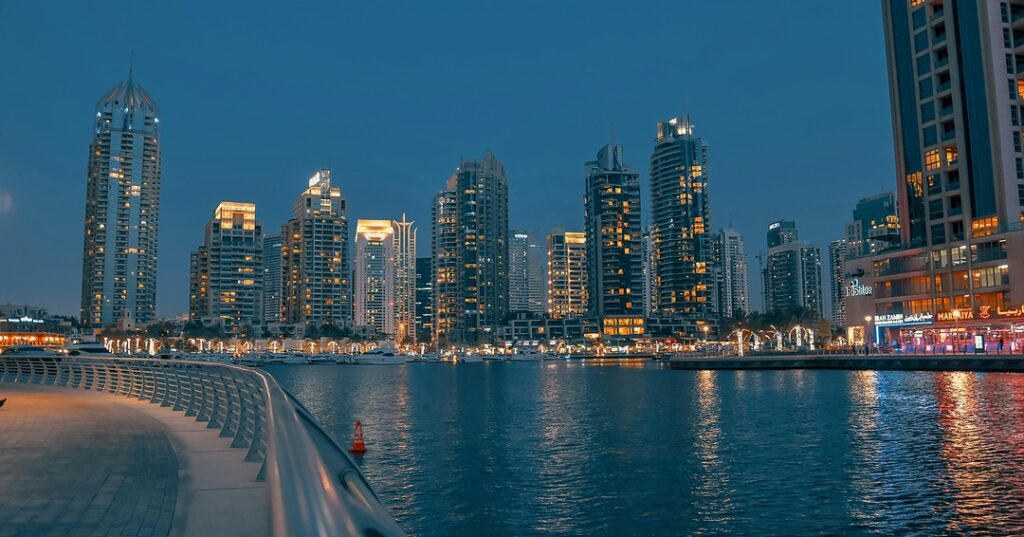
Ease of Communication: High
EVERYONE speaks English. The taxi driver? English. The person at the convenience store? English. The random guy trying to sell you a timeshare? Unfortunately, also English. It’s incredibly easy to navigate, do business, and function without learning Arabic.
Nightlife: Awesome
The clubs are INCREDIBLE. Massive, glamorous, full of beautiful people and even more beautiful lighting. The production value of a night out here rivals some music festivals. But… the alcohol prices? Criminal. (We’re talking 25-30 euros for a basic coctail.) Also, everything shuts down during Ramadan, so plan accordingly or prepare to discover what sobriety feels like.

The Verdict: Dubai works if you’re already making solid money or have clear business opportunities. It’s not the place to “find yourself”, it’s where you go when you’ve found yourself and want to maximize earnings while living in a city that feels like it’s from 2050.
4. Indonesia (Bali)
“Instagram’s Favorite Child”
Bali was my first real taste of the digital-nomad dream, the place where everything suddenly clicked. The island has this wild mix of creativity, calm, and coconut-based beverages that somehow makes you believe anything is possible. One minute you’re working from a café surrounded by palm trees, the next you’re doing sunset yoga on the beach wondering why you ever tolerated fluorescent office lighting.
It’ll always have a soft spot in my heart (and a very large portion of my camera roll).
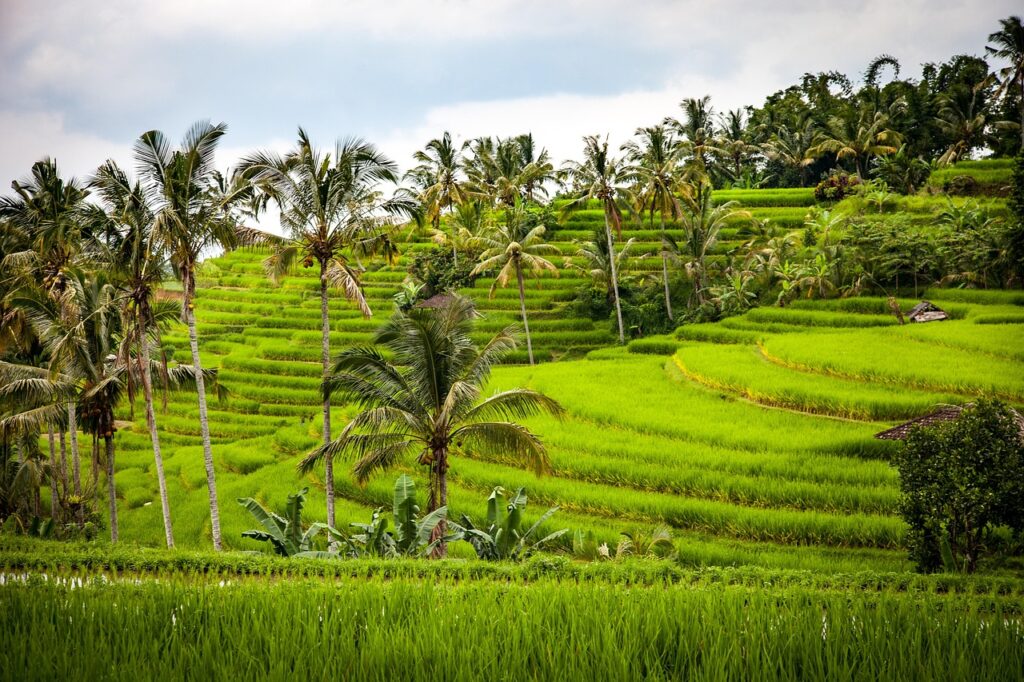
Cost of Living: Medium
After COVID, Bali basically turned into the Disneyland of remote work. Everyone showed up: freelancers, crypto bros, spiritual healers and at least three different yoga instructors named “Luna.” So yeah, it got a bit saturated. Prices went up accordingly. It’s still affordable, but it’s not the dirt-cheap paradise it was five years ago.
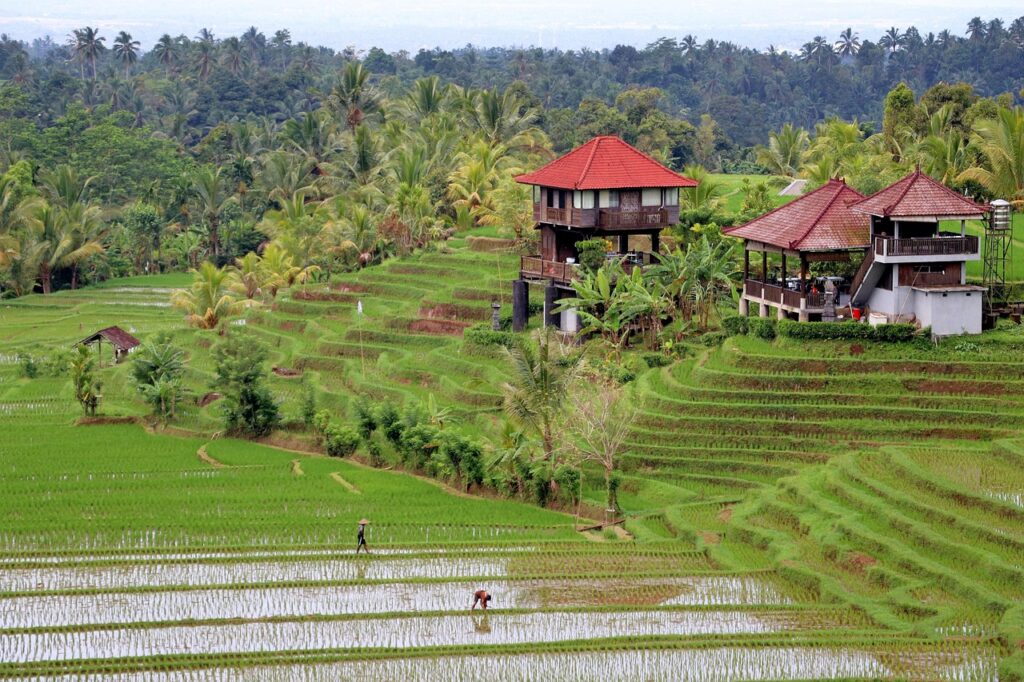
Apartments with good standards (think modern, clean, with AC that actually works) run €350-400 per month. Many come with pools and views of rice fields that make your morning coffee feel like a meditation retreat. It’s genuinely stunning. Meals at local warungs (small family-owned restaurants) cost around €1.50-2.
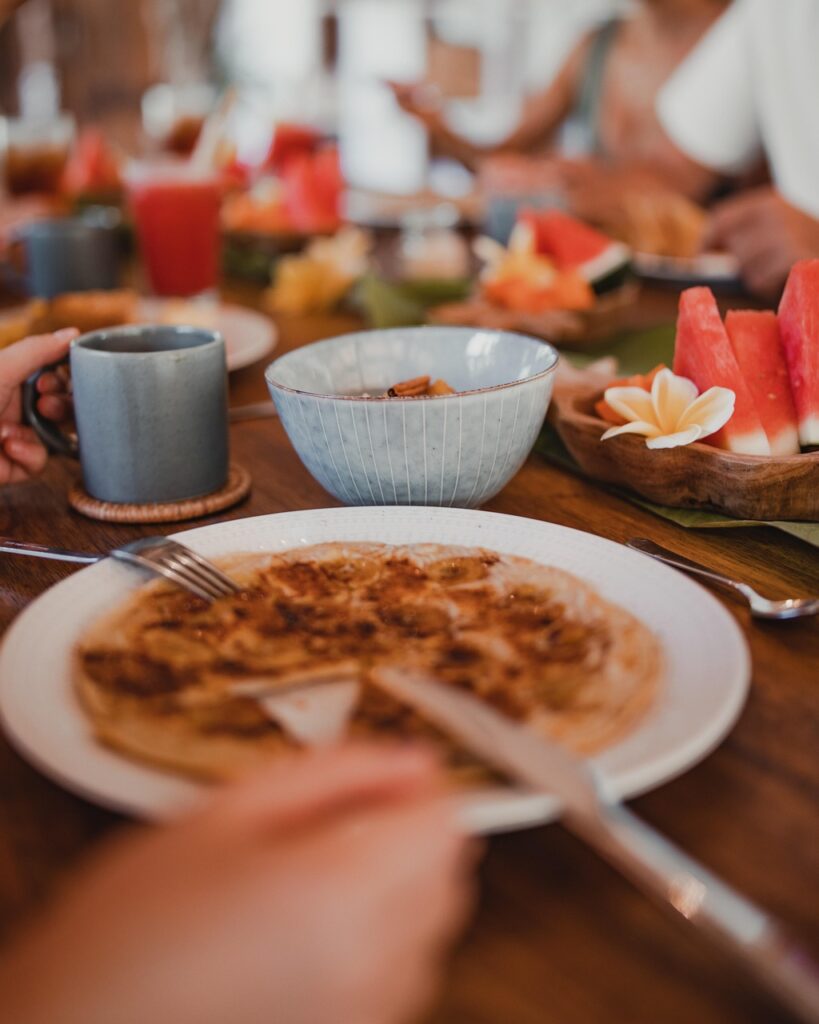
Co-working spaces range from €50-150/month depending on how fancy you want to get. Or just café-hop like the rest of us freeloaders who buy one coffee and occupy a table for six hours.
Safety: Medium/High
In the main tourist areas (Canggu, Ubud, Seminyak), it feels very safe. There are people everywhere at all hours, tons of expats and travelers, and the vibe is generally chill. Balinese people are incredibly kind and welcoming. Plus, everyone’s too busy taking photos of their açai bowls to cause trouble.😃
That said, the traffic is MENTAL. Scooter accidents are common, and I personally witnessed at least five near-death experiences (including one of my own where I learned that “brake” and “gas” are not interchangeable concepts). If you’re renting a scooter, get insurance and maybe take five minutes to learn how to actually drive one first.
Communication: Medium
English is widely spoken in touristy spots, but venture into remote areas and you’ll be playing charades to order lunch.
Nightlife: Medium
Ubud is basically dead after 10 PM (it’s where digital nomads go to be “spiritual”). Canggu and Seminyak, however? Different story. Beach clubs, DJ sets, full moon parties, bars that stay open until the sun comes up. The scene is young, international, and chaotic in the best way. You’ll make friends immediately, mostly because everyone’s in the same state of “working remotely while pretending we have our lives together”
The Verdict: Bali is perfect if you want community, natural beauty, and the ability to tell everyone you’re “based in Bali” (instant cool points). It’s less perfect if you want solitude, authenticity, or prices that haven’t been adjusted for Instagram influencers. But damn, it’s beautiful. And sometimes beauty is worth the inflated smoothie prices.
3. Malaysia (Kuala Lumpur)
“Dubai’s Cool, Affordable Cousin”
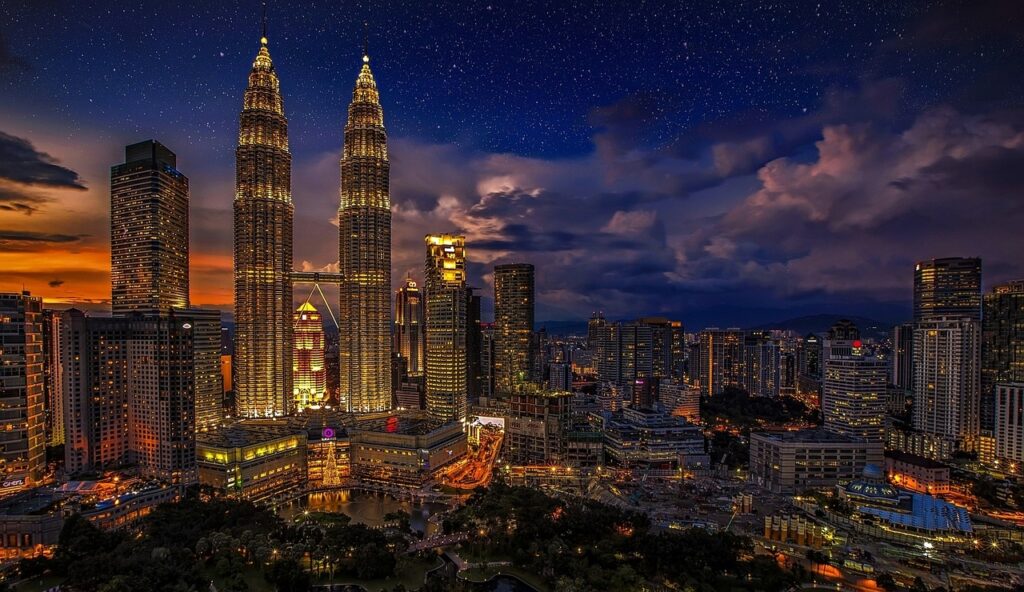
KL is like Dubai if Dubai went to therapy and learned about reasonable pricing. Modern, efficient, and with enough coworking spaces to make you feel productive even when you’re just scrolling Twitter.
When I first arrived, I was genuinely impressed. Buildings are tall and shiny! There’s a Starbucks AND a local café on every block! Everything’s air-conditioned! (This matters more than you think when you’re melting in 90% humidity.)
The digital nomad infrastructure is solid, and you can easily find communities and meetups. Plus, it’s well-connected to the rest of Southeast Asia (cheap flights to Thailand, Indonesia, Vietnam, etc.)
Cost of Living: Medium
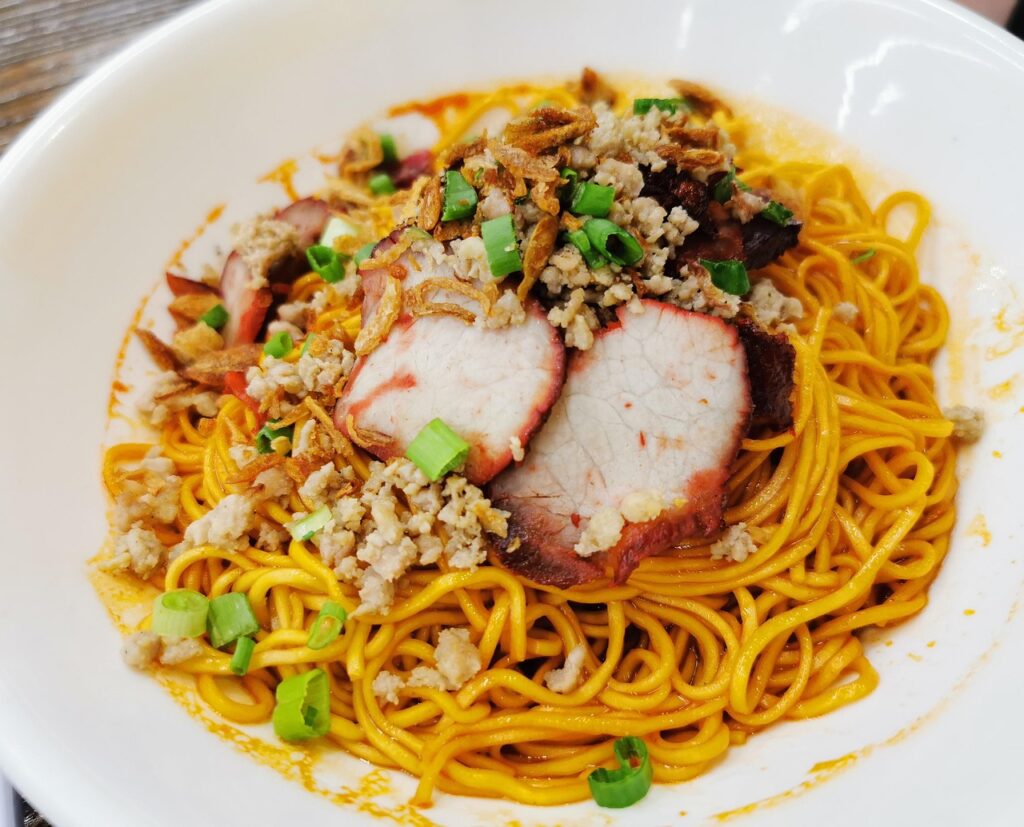
€420-480/month gets you a decent flat, usually with a pool and rooftop views that make your video call backgrounds look professionally curated. Local food? €1 per meal. Your wallet will thank you.
Safety: Low/Medium (Plot Twist!)
Despite Malaysia’s high safety rankings, I had multiple uncomfortable encounters with men who thought “no” was the opening line to a negotiation. Being followed home, relentless phone number requests, wildly inappropriate questions (the whole creepy bingo card).
Now, is this representative of all of KL? No. Plenty of people (including solo female travelers) have zero issues. But it happened to me enough times that I felt genuinely uncomfortable, and I’m someone who’s traveled solo extensively. The vibe was… different. More aggressive than other places I’d been.
Communication: High
The English here is phenomenal. Better than most Asian countries I’ve visited. You can actually have complex conversations without Google Translate mediating.
Nightlife: Great
KL has a solid nightlife scene. There are several good clubs, tons of bars and pubs with live music, rooftop spots with amazing views and a generally fun vibe.

However… the gender ratio in clubs is so skewed towards men that venues literally offer women free drinks all night just to keep them in the club. It’s capitalism and gender dynamics in action, and while it’s great for your wallet, it also explains why you’ll get approached twenty-seven times in one night.
The Verdict: KL is fantastic for your budget and productivity. Modern amenities, great food, affordable living, excellent English. But the social scene was hit-or-miss for me and solo female travelers should go in with eyes wide open. That said, if you’re a guy or traveling with others, you’ll probably have a completely different experience.
2. Thailand (Bangkok/Chiang Mai)
Thailand is that friend who’s good at everything without being obnoxious about it. Two cities, two completely different vibes.
Bangkok: “Chaos, But Make It Productive”
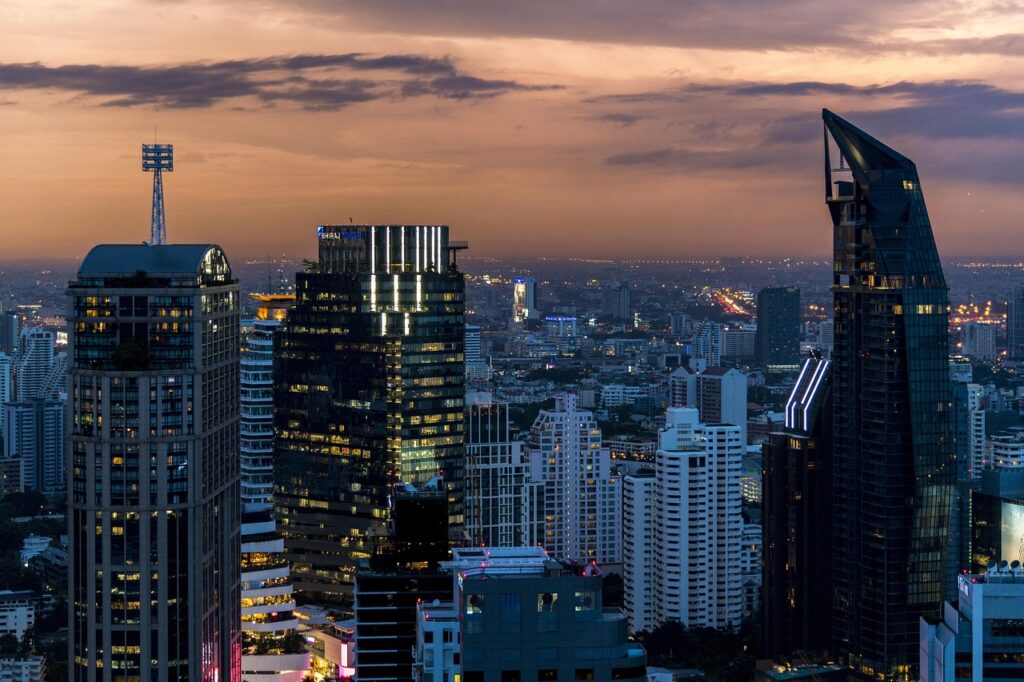
The digital nomad infrastructure here is insane. There are dozens-no, probably hundreds of cafés perfect for working. Co-working spaces are everywhere, many open 24/7 for you night owls who suddenly become productive at 2 AM. The community is massive and welcoming.
Cost of Living: Medium
€450-500/month for a good apartment, though location matters MASSIVELY in this sprawling metropolis. The further from the center, the cheaper it gets.
Safety: Medium
Bangkok feels safe in tourist areas because there are people EVERYWHERE. Like, all the time. I don’t think this city sleeps. But it’s still a major metropolitan city with millions of people, so standard city rules apply: watch for pickpockets, be aware of scams (especially taxi/tuk-tuk scams and gem scams), don’t flash expensive stuff around and don’t be That Tourist who gets blackout drunk in a random alley.
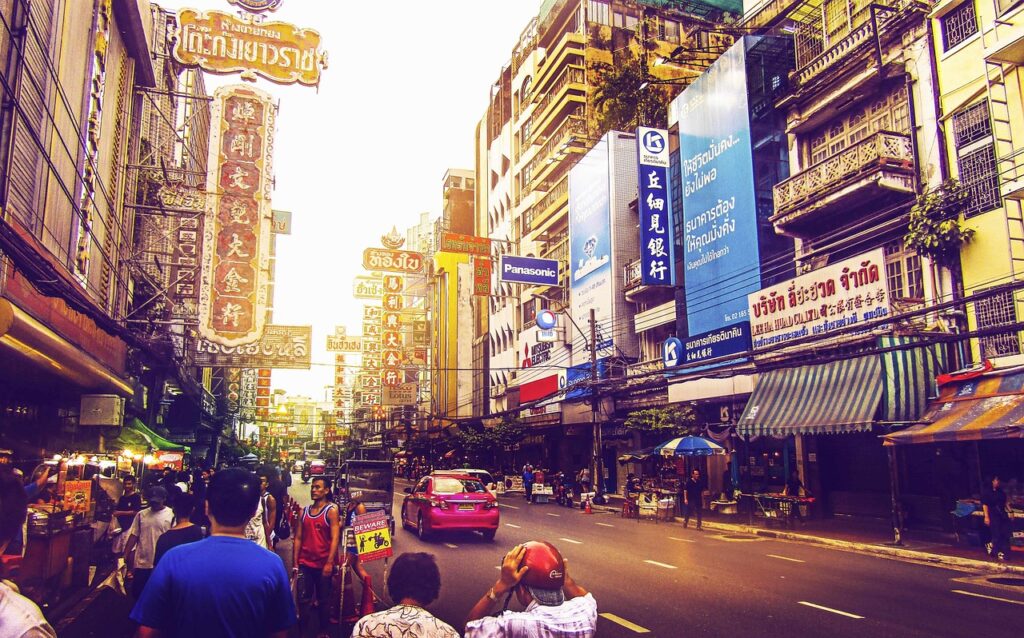
The traffic, however, is actively trying to kill you. Green lights for pedestrians are more of a “suggestion” than a rule. Motorbikes appear from nowhere like they’re spawning from another dimension. Cross at your own risk, say your goodbyes to loved ones and maybe make peace with your life choices.
Communication: Medium
In Western restaurants, cafés, hotels, and tourist attractions, almost everyone speaks English. You’ll have zero problems. But take a local taxi or Grab, go to a neighborhood restaurant, or venture into less touristy areas? Communication becomes a beautiful dance of pointing, Google Translate and hope.
The wonderful thing about Thai people is they genuinely TRY. They’re patient, kind, and will go out of their way to help you even if you’re both struggling through the language barrier. I’ve had taxi drivers call their English-speaking nephew to translate. That’s the energy here.
Nightlife: AWESOME
Bangkok’s nightlife is legendary for a reason. Fancy rooftop bars where you feel like a millionaire sipping cocktails above the city? Check. Multi-floor mega-clubs with production value that rivals Vegas? Check. Questionable dive bars where you’ll make your best/worst memories? Check. Late-night street food adventures at 3 AM? Double check.

Bangkok’s nightlife is absolutely unhinged (in the best way).
Chiang Mai: “For When You Need to Detox from Bangkok (But Still Need WiFi)”
Head north to Chiang Mai and you’ve entered a completely different Thailand. It’s quieter, smaller, surrounded by mountains and nature, and full of people who fled Bangkok’s chaos and never went back. There are dozens of cafés and co-working spaces catering specifically to digital nomads.
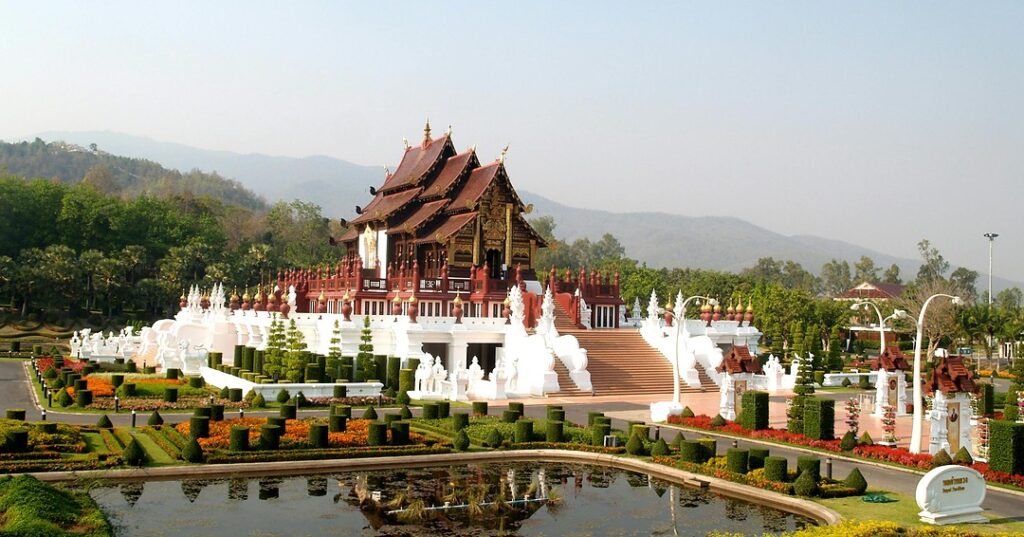
Cost of Living: Medium
Accommodation runs €350-400/month. Instead of high-rise apartments, you’re looking at guesthouses, townhouses, or co-living spaces. The vibe is much more community-oriented.
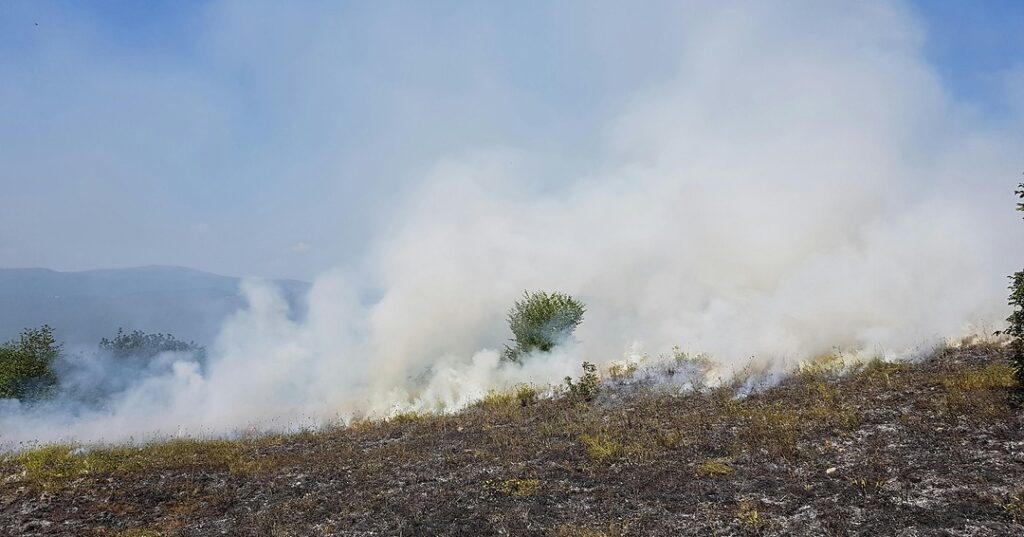
THE BURNING SEASON-which usually runs from January to April. During that time, farmers burn their fields to clear the land for new crops. It’s technically illegal, but everyone still does it, and the smoke just hangs over the city because of the mountains.
Honestly, it gets so bad you can barely breathe. Most people who can leave the city do exactly that.
Safety: High
Chiang Mai is genuinely one of the safest places I’ve been. The crime rate is low, people are friendly, and the vibe is just… chill. You can relax here in a way you can’t in big cities. It’s the kind of place where you leave your laptop at a café table to go to the bathroom and come back to find it exactly where you left it (possibly with a nice note.)
Communication: Medium
Similar to Bangkok, tourist areas and digital nomad spots have good English, but venture into local areas and it gets trickier. That said, everyone’s helpful and patient.
Nightlife: Okayish (This Is Not Why You’re Here)
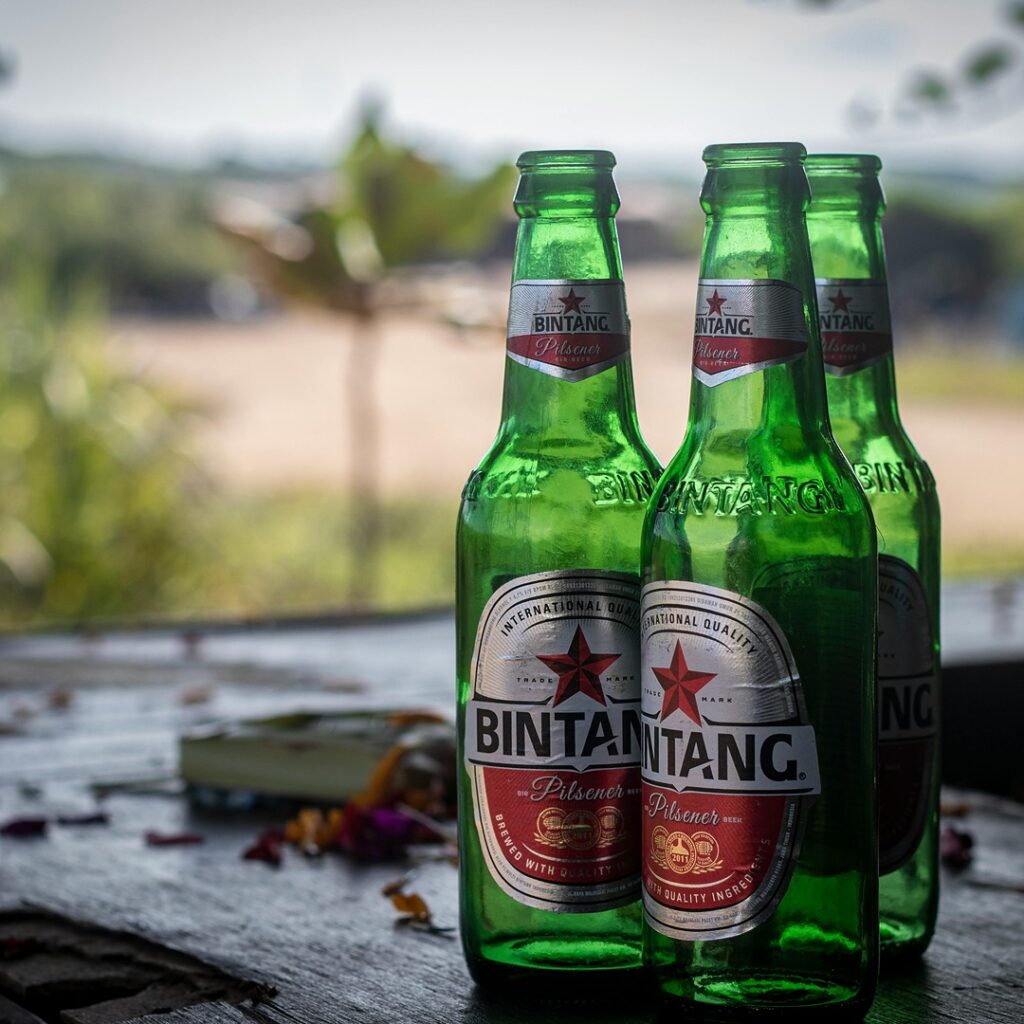
Chiang Mai has bars and some live music venues, but this isn’t a party city. This is where you go to “find yourself,” attend a meditation retreat, and pretend you’re going to do that thing you’ve been postponing for ages. The nightlife is subdued. If you want to rave, go to Bangkok. If you want to have a chill beer while discussing the meaning of life, Chiang Mai’s got you.
The Verdict: Thailand offers two completely different experiences, both excellent. Bangkok for chaos, energy, and endless options. Chiang Mai for peace, nature, and community (just avoid burning season). Honestly, Thailand is a digital nomad paradise, which is why it’s crawling with us. The infrastructure, the food, the people, the cost…it all works!
1. Vietnam (Da Nang)
“Where I Finally Stopped Running and Accidentally Found Home”
Here we are. Number one. My personal favorite. The place where I’ve decided to “settle down” (which in nomad terms means “stay for more than two months”).
Da Nang is the perfect size. Big enough to have everything you need, small enough that you won’t spend 3 hours in traffic.
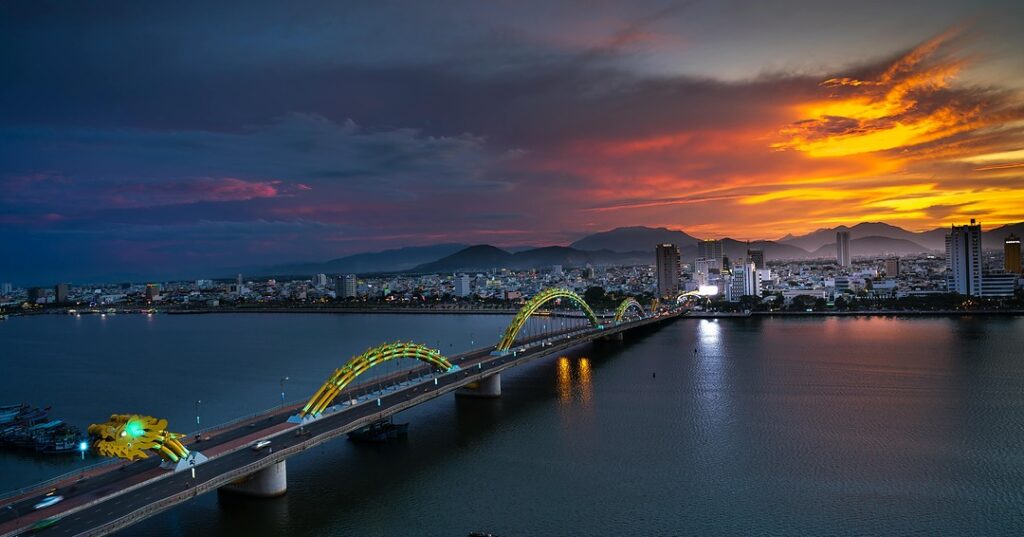
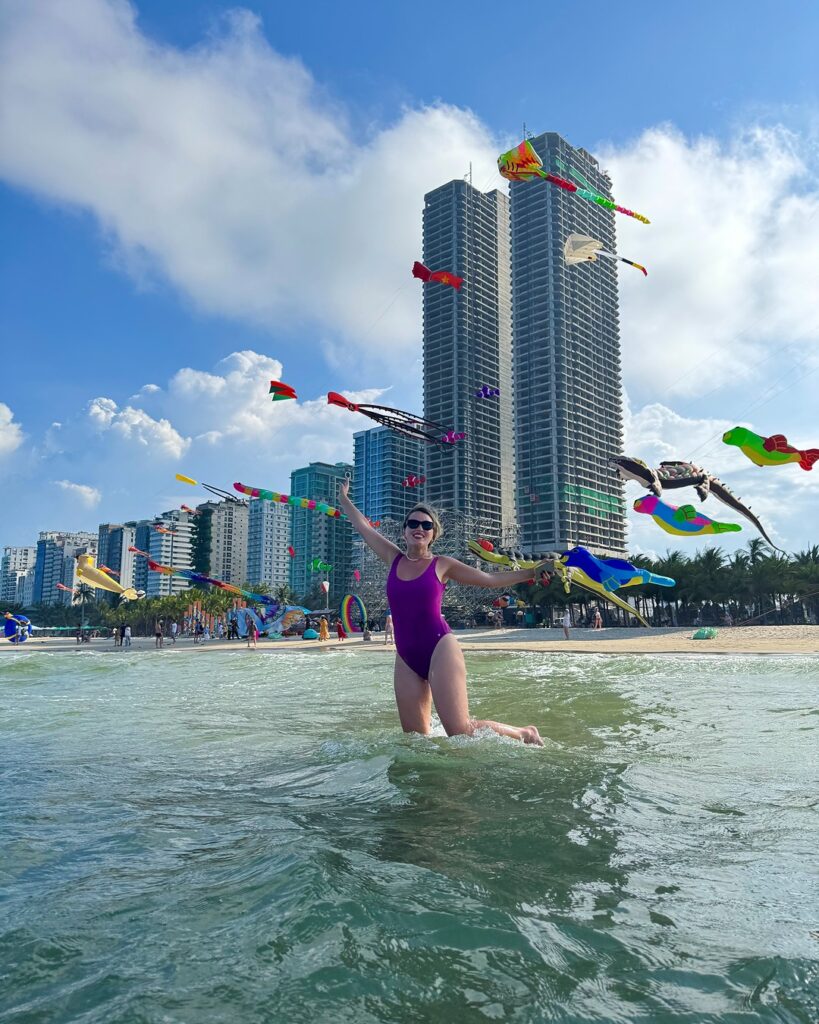
And the best thing…The beach is RIGHT THERE. Not “take a bus for an hour” there—like, walk ten minutes and you’re on a gorgeous beach. This matters more than you’d think. Bad day? Go sit by the ocean. Hot? Beach. Need to think? Beach. The ocean is your free therapist.
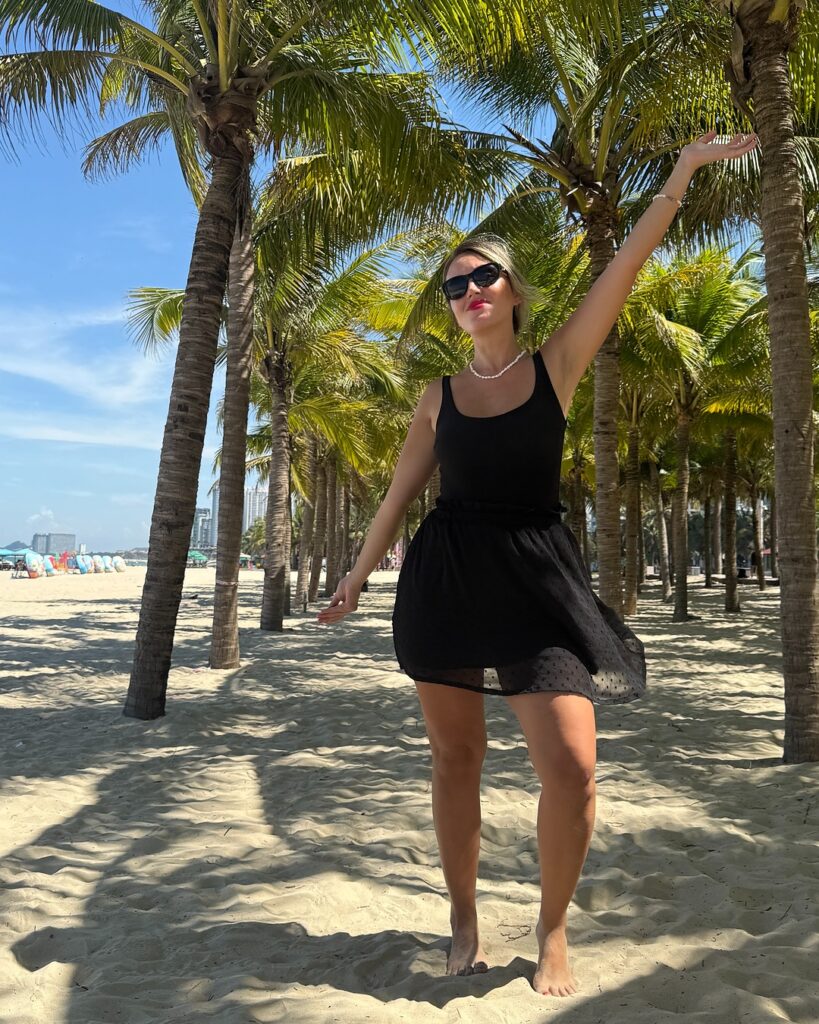
Cost of Living: Low (Translation: Your Money Becomes Monopoly Money)
This is where Da Nang absolutely shines. If you search properly, you can find studio apartments for €200-300 per month. Not hostels. Not rooms. Actual apartments. With kitchens. And WiFi. And sometimes even a washing machine (luxury!). Meals? €1-1.50 at local spots.
Grab bikes are incredibly popular here. It’s like Uber but for motorbikes, and rides across the city cost less than €1. You don’t need to own a scooter (though many long-term residents do). You can get around cheaply and easily.
Safety: Medium/High
I’ve had a few sketchy encounters, but generally it feels safe. Maybe don’t walk home alone super late at night (like I did), but that’s just basic common sense anywhere.
Communication: Low/Medium (The Only Real Drawback)
Okay, here’s the honest truth: not many local people speak English. Even in restaurants and cafés, staff will often approach with their phone already open to Google Translate. Menus might not be in English. Everyday interactions require patience and creativity. The ‘translate from picture’ feature will be your best friend, especially when menus have specialties like ‘frogs.’ 😃
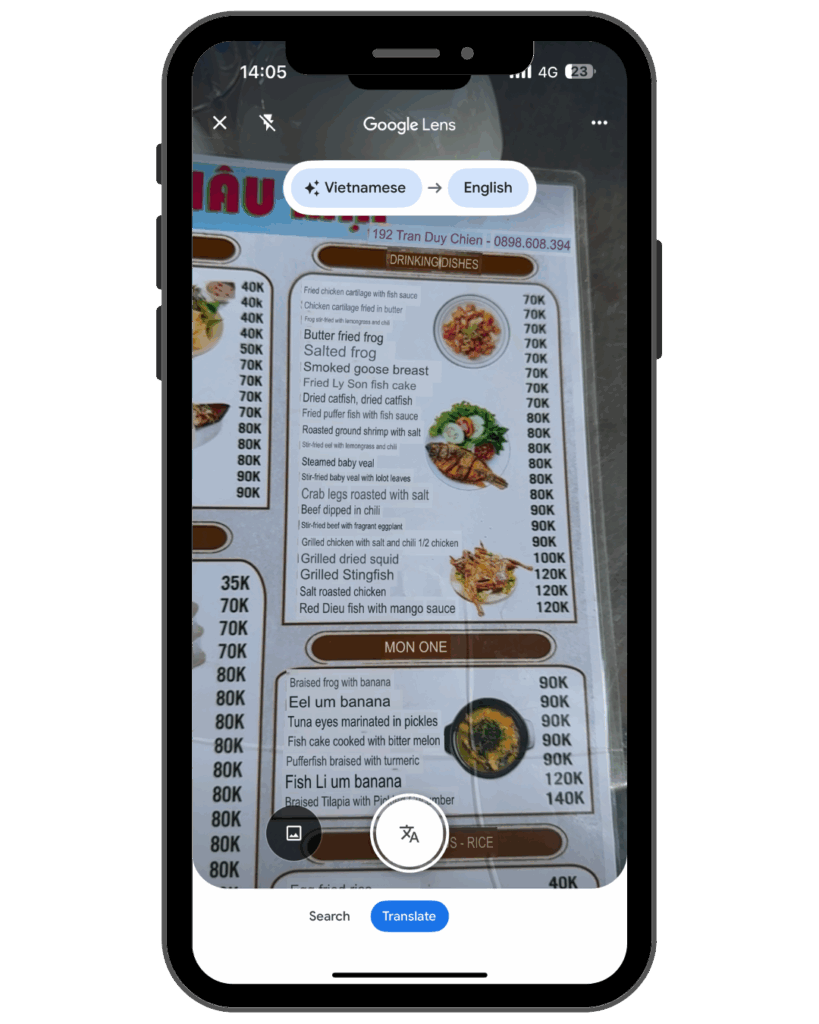
But you know what? People here are SO helpful and genuinely try their best. They WANT to communicate with you. They’re patient, kind, and will go out of their way to help.
For work calls and digital nomad stuff, everyone in those circles speaks English, so it’s not an issue professionally. It’s just daily life that requires adaptation.
Nightlife: Bars, Pubs, and Karaoke Everywhere
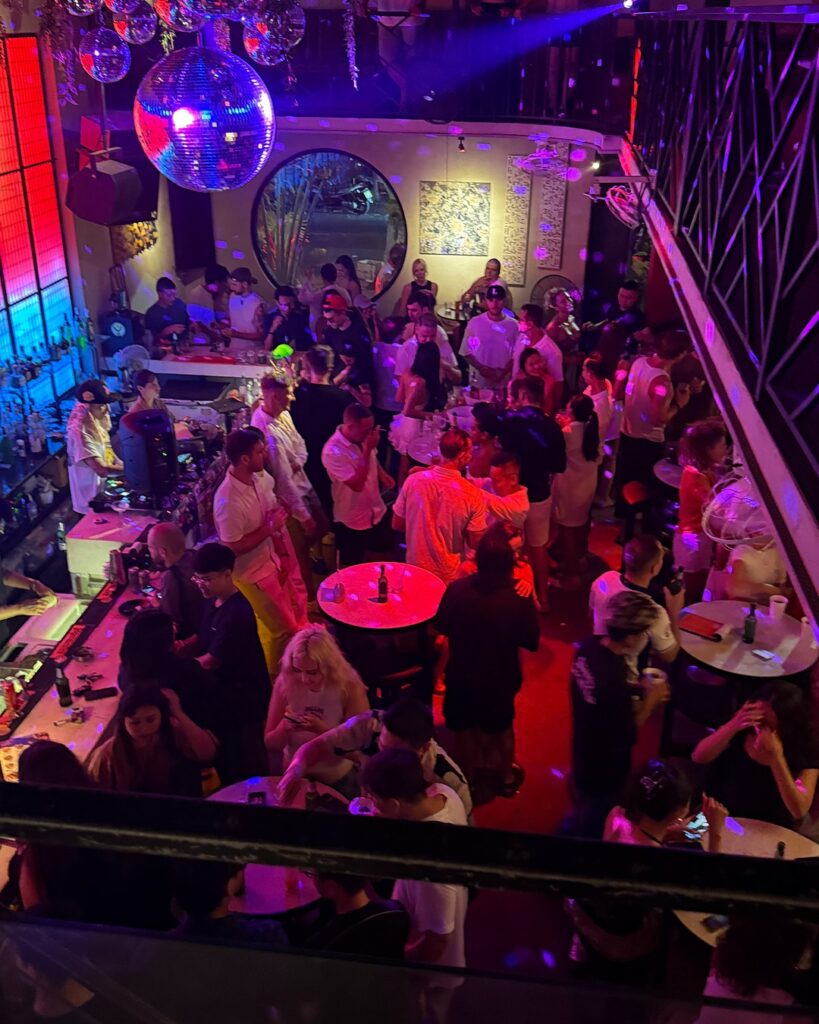
Da Nang doesn’t have the massive megaclubs you’ll find in Bangkok or Dubai. What it DOES have is a thriving bar and pub scene with live music, beach bars, rooftop spots, and oh my god …SO MUCH KARAOKE.
Karaoke is not just a thing here, it’s a lifestyle! It’s a cultural institution. You haven’t truly experienced Vietnam until you’ve sung “Hotel California” with a group of Vietnamese locals at 2 AM, everyone slightly drunk and extremely committed to the performance.
Basically, the nightlife is more low-key than party cities, but that’s actually refreshing. It’s social without being overwhelming. You can have a great night out without spending a fortune or losing three days to a hangover.
The Community (This Deserves Its Own Section)
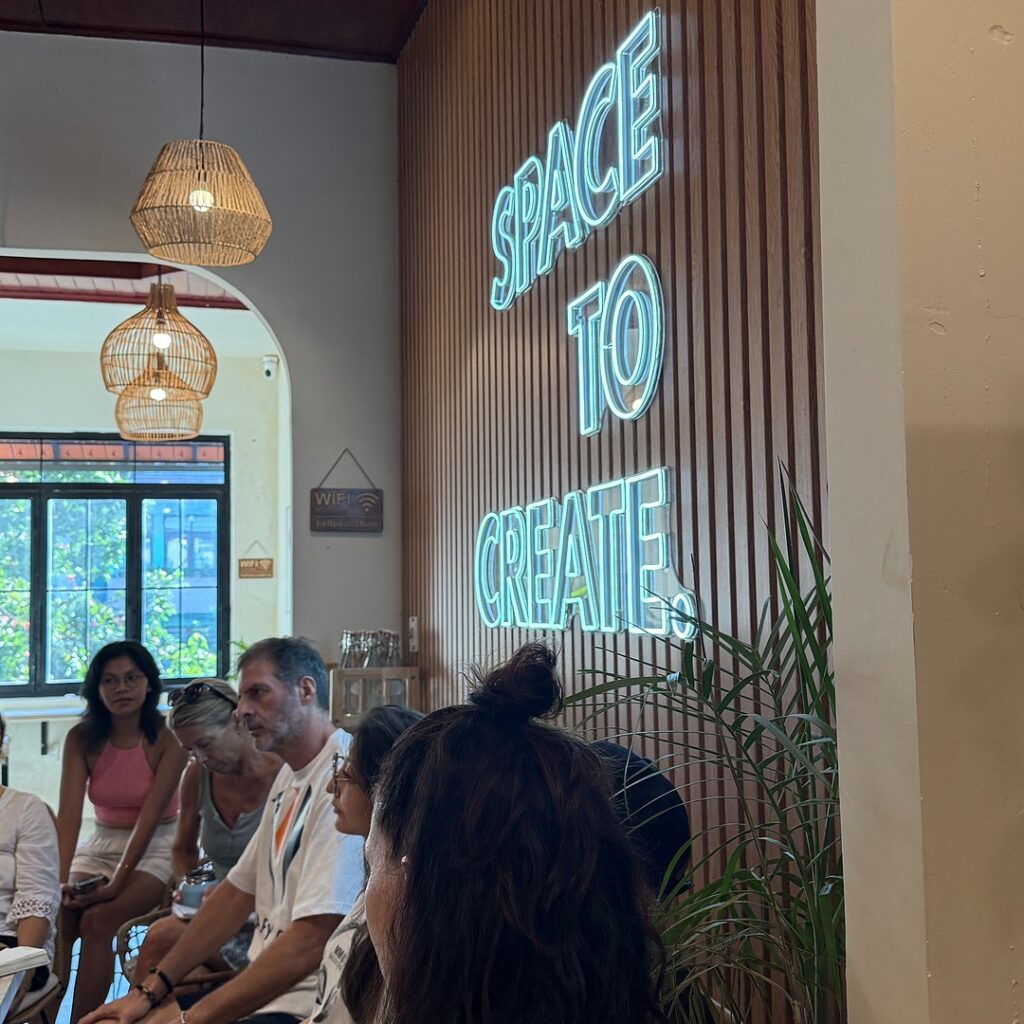
What really makes Da Nang special is the community. There’s an active, welcoming digital nomad scene here that actually feels like a community rather than a bunch of strangers. There are regular meetups, workshops, networking events, beach volleyball games and nights out.
I’ve made genuine friends here. Not just “we grabbed drinks once” acquaintances, actual friends who I’ve worked with on projects, traveled with and shared countless meals and conversations with. That’s rare in nomad life, where everyone’s constantly coming and going.
The Verdict: Da Nang is perfect if you want affordability, beach life, a real community, and the ability to actually save money while living abroad. It’s less perfect if you need constant entertainment, speak-English-everywhere convenience, or a wild party scene. But for me? It’s home. Well, as close to home as someone without a fixed address can get. 😃
Visa
Alright, let’s chat about something extremely unsexy but absolutely essential: visas.
I’m from Europe, which means I basically have the “fast lane pass” of passports. I can stroll into a lot of countries with minimal paperwork and stay up to three months without anyone asking too many questions. I’m very aware this is a privilege and not everyone has it this easy.
So before you fall in love with a destination, always check the visa situation first. It can save you from a lot of stress (and a lot of frantic late-night Googling).
If you’re thinking about staying somewhere long-term but the country only gives you 14 or 21 days, it’s probably not worth the headache. Constant visa runs get tiring, expensive, and honestly… not very sustainable for work or life.
Seasons
Now, weather – because Asia really only has two moods: dry season and rainy season.
Here’s the thing: a lot of digital nomads actually love the rainy season. The logic is simple: when the sun isn’t seducing you to go outside and run around the beach, it’s way easier to stay in, focus and be productive. And honestly? They’re kind of right. Rainy days can feel super cozy. The plus side is that prices drop during rainy months since fewer tourists show up.
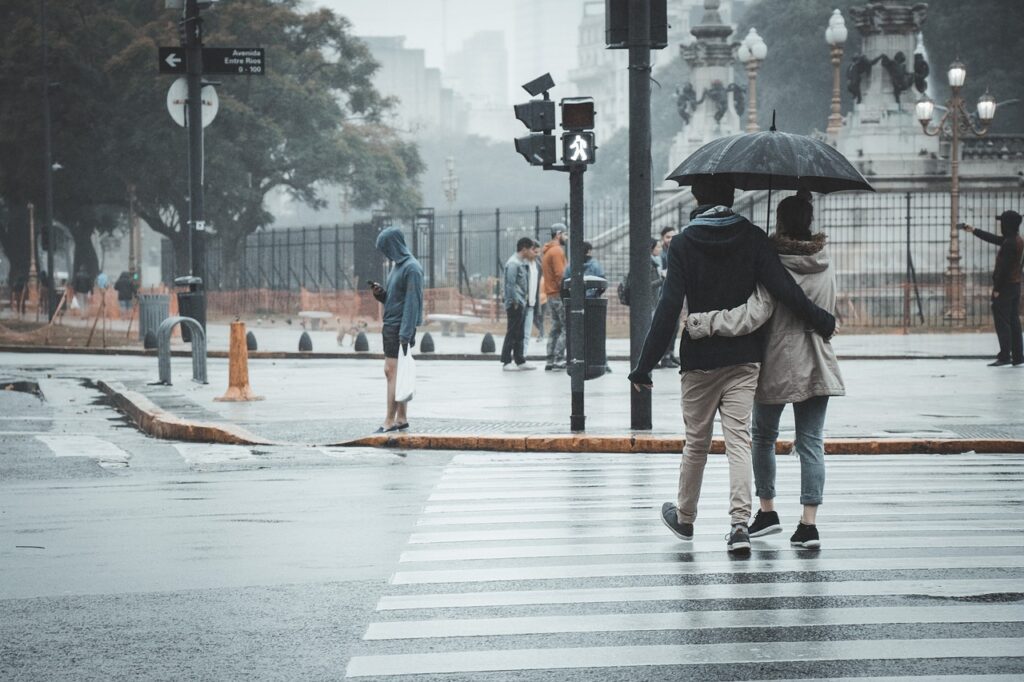
Rainy season is also unpredictable: some years it’s endless rain, other years it’s just a quick, dramatic downpour that’s over before you find your umbrella.
As for me? I prefer to chase the sun. I lived in England, so I’ve collected enough rainy days to last several lifetimes. My strategy is simple:
Enjoy the dry season in one spot (like Da Nang) and when the rainy season rolls in, I migrate to another sunny place. It’s like following summer around the map, highly recommend!
Final Thoughts
Look, I’ve seen every “Best Countries for Digital Nomads” list on the internet, and they all say basically the same thing. The truth? The “best” place is wherever you can actually get work done while not feeling like you’re sacrificing your entire life. Some people thrive in Dubai’s expensive efficiency, others need Bali’s spiritual energy and some of us just want cheap beer and a decent WiFi connection in Da Nang.
My advice? Try a few places. Give each one at least a month (you can’t judge a city in a week). Stay long enough to see what your actual daily life would feel like, not just the Instagram version. See what fits your work style, budget, and personality. Talk to other nomads. Be flexible.
And most importantly: if a place stops making you happy or productive, pack your bags and move on. That’s not failure, that’s literally the magic of this lifestyle.
May your WiFi be stable, your rent be cheap, and your visa officer be merciful.